







Search Results for: sweetness standards
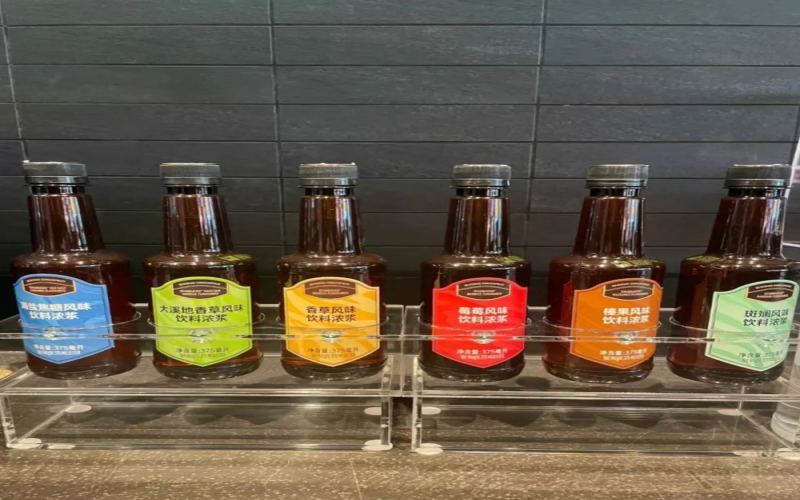
Starbucks' revised sweetness standards in its ordering system spark heated debate: consumers and baristas alike say they're not used to it
Recently, Starbucks has rolled out a major syrup reform in China, splitting flavored syrups into two parts: flavor and syrup, so that customers can separately choose flavor concentrates and sweetness levels. The new rules appear to meet the needs of sugar-conscious consumers, but after launch they triggered a wave of complaints: the old version's function of freely adjusting syrup by number of pumps was canceled, replaced by three major categories—classic sugar, zero-calorie sweetener, and no added sugar—along with two sub-options: less sweet and standard sweet. Customers accustomed to ordering by number of pumps are saying they no longer know how to order, and baristas are also getting headaches from the complicated labels. What exactly are the inconveniences brought by this revamp? What is the real feedback from users and baristas? This article takes you through it. [more…]
Authentic Americano Flavor Profile Analysis and Standard Brewing Ratio Guide
As a widely popular coffee category, Americano's taste characteristics and brewing standards have always been a focus of attention for coffee enthusiasts. This article will provide an in-depth analysis of the flavor performance that authentic Americano should have, including the balance of aroma, acidity, bitterness, and sweet aftertaste, while also clarifying the powder-to-water ratio for standard Americano. In addition, the article also compiles the flavor characteristics of several classic coffee beans under the Front Street Coffee brand, covering origins such as Blue Mountain, Mandheling, Mocha, Brazil, and Kenya, helping readers fully understand the making and tasting of Americano from bean selection to extraction ratio. [more…]
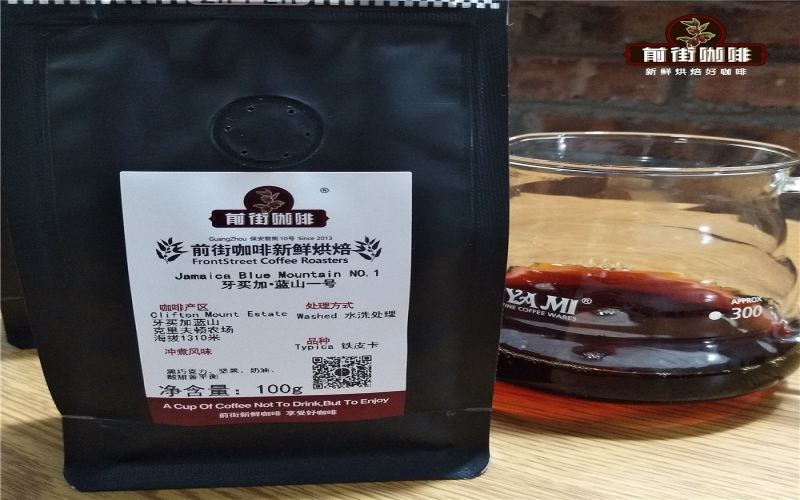
Jamaican Blue Mountain Coffee JABLUM Grade and Flavor Analysis: Authentic Certification Standards and Front Street Blue Mountain No.1 Pour-Over Parameters
Blue Mountain coffee is hailed as the pinnacle of coffee, renowned for its rich smoothness, balanced acidity, bitterness, and sweetness, and its long-lasting aftertaste. In an era before specialty coffee became widespread, its status was akin to Rolls-Royce in the automotive world or Rolex in watches, with rampant counterfeits and high prices. Nowadays, enjoying authentic Blue Mountain is no longer difficult—Front Street can provide Jamaica's highest-grade Blue Mountain No. 1 coffee beans. This article focuses on the grading standards for Blue Mountain coffee, the CIB certification system, the tradition of wooden barrel packaging, Front Street's medium-dark roasting philosophy, and the standard pour-over extraction method used in stores. It explains in detail how to identify authentic Jamaican Blue Mountain and presents the flavor changes of Blue Mountain No. 1 from high to low temperatures, helping coffee enthusiasts gain a comprehensive understanding of this legendary coffee. [more…]
How Do Coffee Cuppers Objectively Evaluate Specialty Coffee Flavor? An Analysis of the Standardized Evaluation System for Coffee Bean Quality
The same cup of coffee—some people taste plum acidity and whisky aroma, while others find it merely sweet and easy to drink. So who ultimately decides these flavor differences? The quality assessment of specialty coffee relies on a team of professionally trained and certified Q graders, who follow a globally standardized procedure to score each item one by one, including dry fragrance, wet aroma, flavor, aftertaste, acidity, body, uniformity, balance, cleanliness, and sweetness. This article breaks down the complete cupping procedure in detail, from grind size, coffee-to-water ratio, and water temperature to breaking the crust, skimming, and slurping, and explains the specific meaning of scores from 6 to 10 in the SCAA scoring standards, helping coffee enthusiasts understand the reference value and limitations of cupping scores and find the coffee flavors that truly suit them. [more…]
How fine should the grind be for AeroPress standard (positive pressure) brewing? Extraction comparison and flavor analysis of three grind sizes
The official recommended method for the AeroPress is actually the standard (upright) brewing orientation, but many coffee enthusiasts are more familiar with the inverted method. So how should you choose your grind size for standard orientation brewing? And what flavor differences do different grind sizes bring? In this article, we use Front Street Coffee's Panama Washed Butterfly as the test bean, selecting three grind settings—BG 5M, BG 5R, and BG 6M—and conduct a standard orientation brewing comparison while keeping water temperature, coffee-to-water ratio, and technique fixed, evaluating each one across aroma, acidity, sweetness, cleanliness, and other dimensions. The conclusion: just like the inverted method, standard orientation brewing can reference the grind range used for pour-over, and the unique oily mouthfeel and smooth texture that come from pressure extraction are exactly what makes the AeroPress so appealing. [more…]

Heytea's "Remake If Not Satisfied" Promise Questioned: Multiple Customers Report Being Refused Remakes Over Sweetness Issues
Heytea's publicly posted "remake if unsatisfied" service commitment has recently sparked a string of consumer doubts. Some customers report being refused by staff when asking for a remake because a drink was sweeter than expected, with customer service responding that drinks must be "made to the original standard." Similar cases have also occurred in Shandong. Some long-time customers point out that there are differences in how the standard is applied between directly operated stores and franchise stores. Consumers generally believe that if a brand makes a public commitment, it should not attach hidden conditions. This article reviews the course of events and the views of all parties, and compares the practices of peers such as Starbucks and Chagee to explore how "remake if unsatisfied" should actually be implemented. [more…]
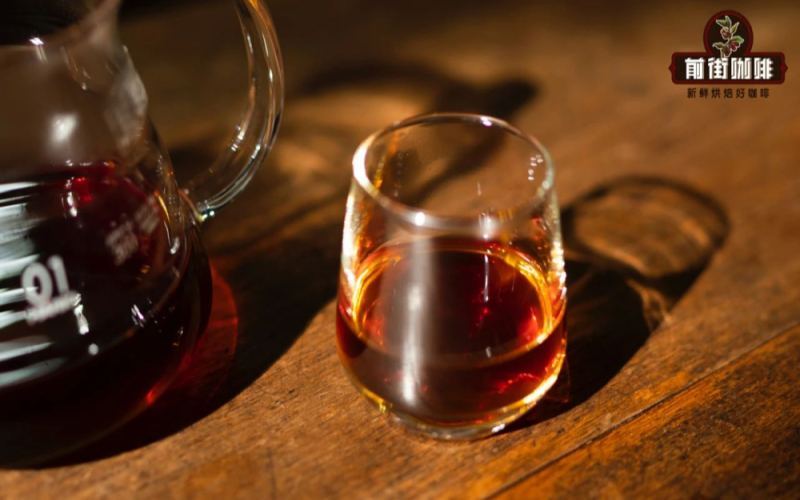
A Detailed Guide to Seven Extraction Methods for Jamaican Blue Mountain Coffee: A Complete Brewing Guide for Front Street Blue Mountain No. 1 from Espresso to Cold Drip
Jamaican Blue Mountain coffee is renowned for its clean, mild character and balanced acidity, sweetness, and bitterness. The Front Street Blue Mountain No. 1 coffee beans produced by FrontStreet Coffee come from Clifton Estate—an old farm with Rainforest Alliance certification. This article will start with basic knowledge such as the origin background, grade standards, and washed processing, and systematically outline seven brewing methods for Blue Mountain No. 1, covering espresso, pour-over, siphon, AeroPress, French press, cold drip, and Japanese iced pour-over, along with the parameters, techniques, and flavor performance of each method, helping coffee lovers fully explore the diverse possibilities of this bean in daily life. [more…]
Barista Essentials: A Complete Guide to COE and SCAA Cupping Scoring Standards, from Clean Cup to Overall
If you want to become a professional barista, cupping is a core skill you can't avoid. This article systematically sorts out the scoring standards of the two major cupping systems, COE and SCAA, analyzing the scoring points and deduction rules one by one, from aroma, cleanliness, sweetness, acidity, mouthfeel, flavor, aftertaste to balance. It also explains in detail the tools needed for cupping, the coffee-to-water ratio, and the operating process, and uses [Front Street Golden Mandheling] as an example to compare the cupping performance of three roasting curves. Whether you are a coffee enthusiast or a practitioner, you can learn from it the scientific method of judging coffee quality and understand the true meaning of COE competition level. [more…]
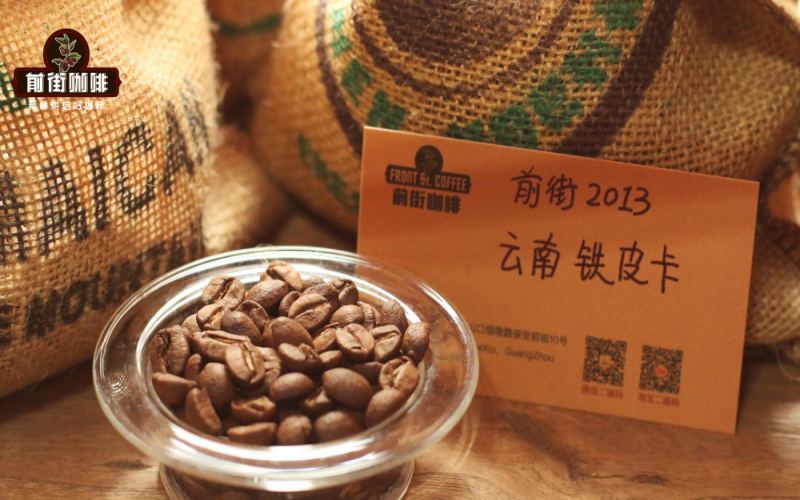
Which Yunnan coffee brand is worth drinking? Small-bean grading standards and a flavor comparison of Typica vs. Catimor
Yunnan coffee has long been famous, but with so many producing regions and a bewildering array of brands, which one is actually worth drinking? This article starts from the two varieties of Yunnan Typica and Catimor sold by Front Street Coffee, traces the evolution of Yunnan coffee varieties, explains international and domestic grading standards in detail, and introduces the regional characteristics of the four major producing areas: Pu'er, Baoshan, Dehong, and Lincang. It also shares Front Street's planting philosophy at its own estate in Lincang, the process details of the natural sun-dried method, and the specific brewing parameters and flavor performance of the sun-dried Typica, helping coffee lovers gain a comprehensive understanding of the current state and quality potential of Yunnan Arabica coffee. [more…]
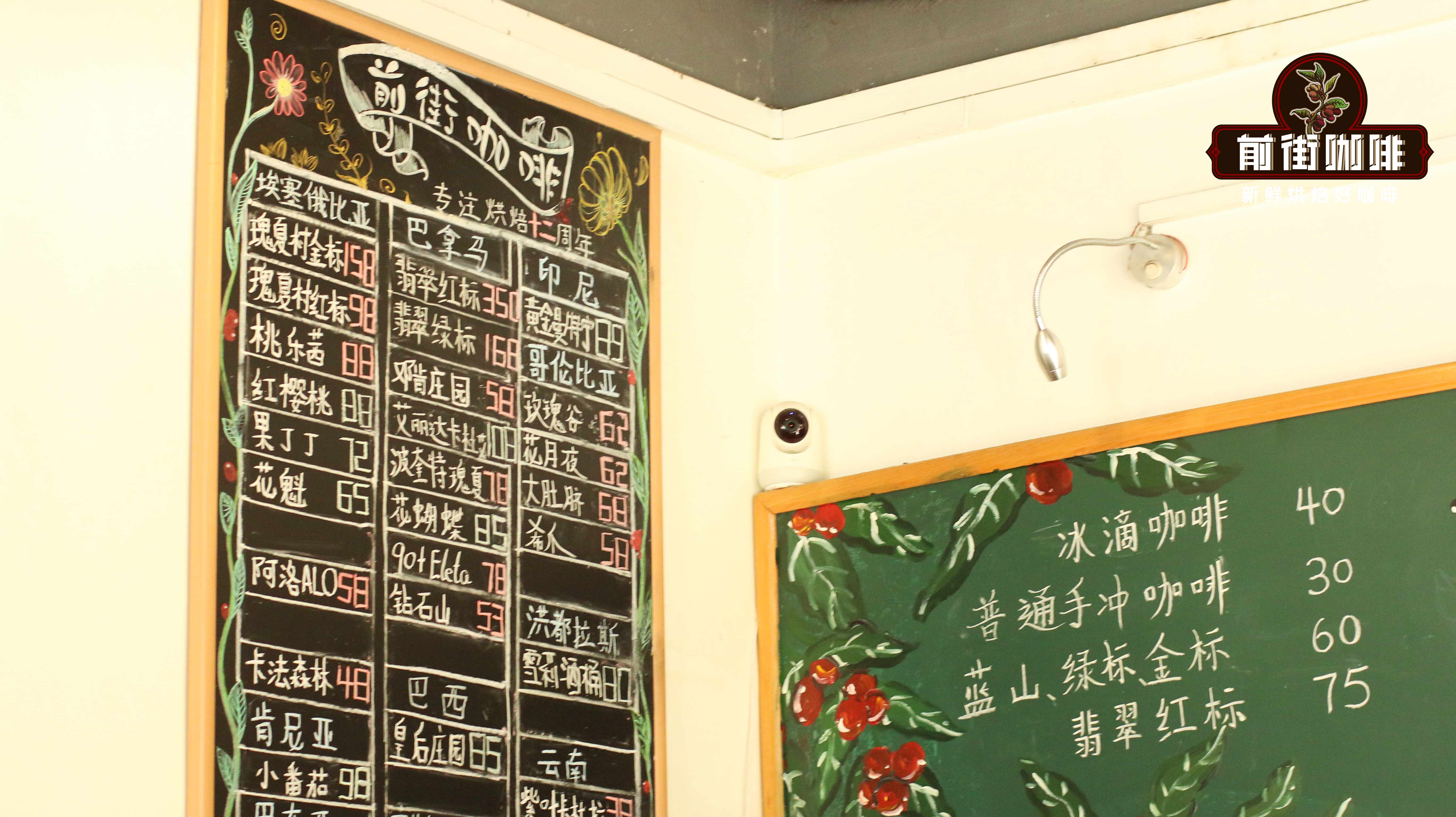
Colombian Coffee Bean Grading Standards, Huila Washed Flavor Characteristics, and Brewing Parameter Guide
Colombian coffee, with its soft berry acidity, roasted nut aroma, and caramel sweetness, has become a favorite among many pour-over beginners. As the world's second-largest Arabica producer, Colombia's volcanic soil and high-altitude microclimates give its coffee beans a full, solid mouthfeel. This article will systematically sort out the grading system for Colombian green beans—how many screen sizes Supreme, EP, and U.G.Q correspond to respectively, clarify the common misconception that Excelso is not a grade but an export standard, and introduce the flavor profile of washed beans from the Huila region along with Front Street Coffee's recommended V60 three-pour brewing method, helping coffee lovers experience the unique charm of Colombian coffee at an affordable cost. [more…]
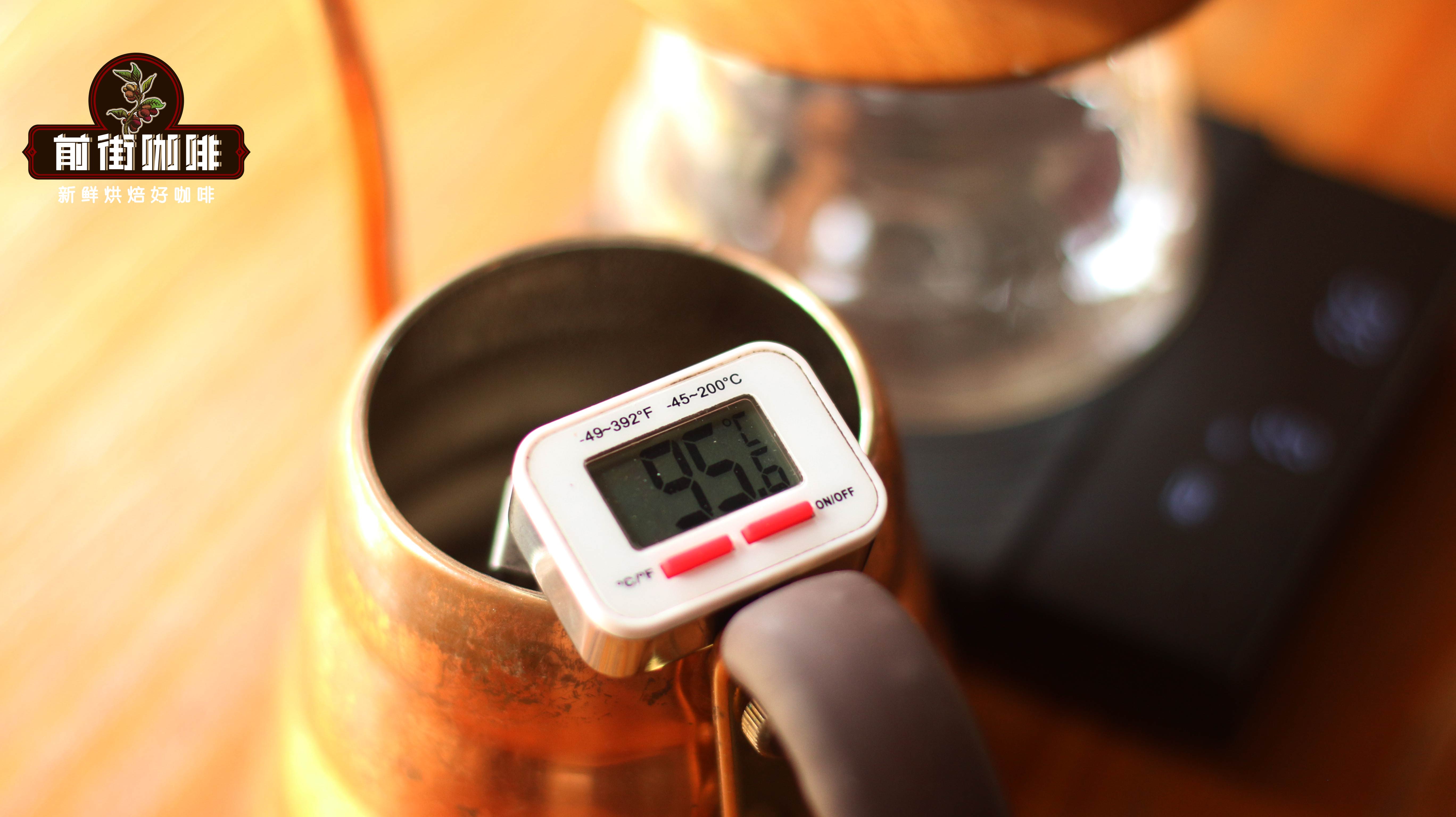
Master Freshness, Grind Size, Water Temperature, and Coffee-to-Water Ratio: Brewing Pour-Over Coffee from Four Major Regions—Yirgacheffe, Mandheling, Kenya, and Brazil
Yirgacheffe, Mandheling, Kenya, and Brazil are the four major coffee regions most familiar to coffee enthusiasts, and each has its own distinctive brewing approach. In this article, Front Street Coffee will explain the four key elements of pour-over brewing—freshness, grind size, water temperature, and coffee-to-water ratio—and provide specific brewing parameters and techniques for a representative bean from each of the four regions. The article will also cover the principles of bean resting and degassing, how to calibrate grind size using a standard sieve, and the taste differences brought about by different coffee-to-water ratios under the SCA Golden Cup extraction theory, helping you brew these four common single-origin coffees to taste even better. [more…]
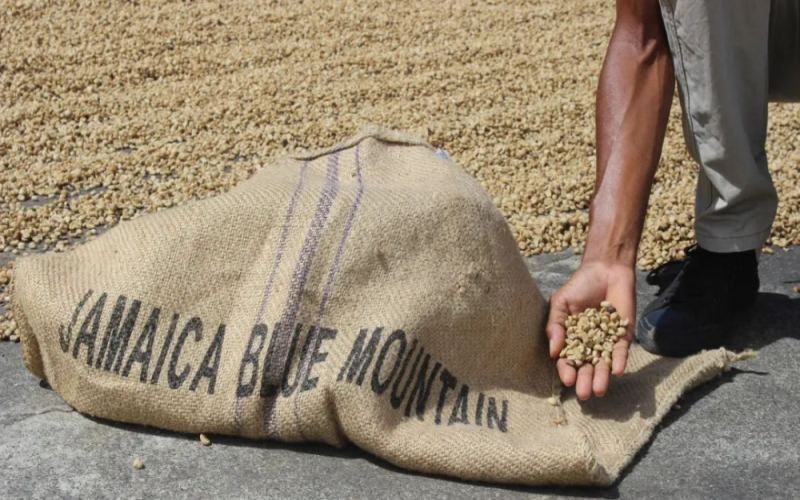
Jamaica Blue Mountain Coffee Tasting Guide: From Regional Characteristics to a Full Analysis of Seven Brewing Methods
Jamaican Blue Mountain coffee is famous worldwide for its balanced and elegant flavor, but truly understanding it and brewing it well requires systematic knowledge ranging from its growing region and grading to extraction methods. From the perspective of Front Street Coffee, this article sorts through the geographical conditions of Blue Mountain coffee, the historical standing of Clifton Mount Estate, the two processing paths of washed and natural, and the grading standards of Blue Mountain No. 1, and also provides roasting ideas and seven practical brewing methods—covering espresso, pour-over, siphon, AeroPress, French press, cold drip, and Japanese iced pour-over. Whether you want to distinguish authenticity or brew the Blue Mountain beans in your hands to their ideal flavor, this guide offers clear reference. [more…]
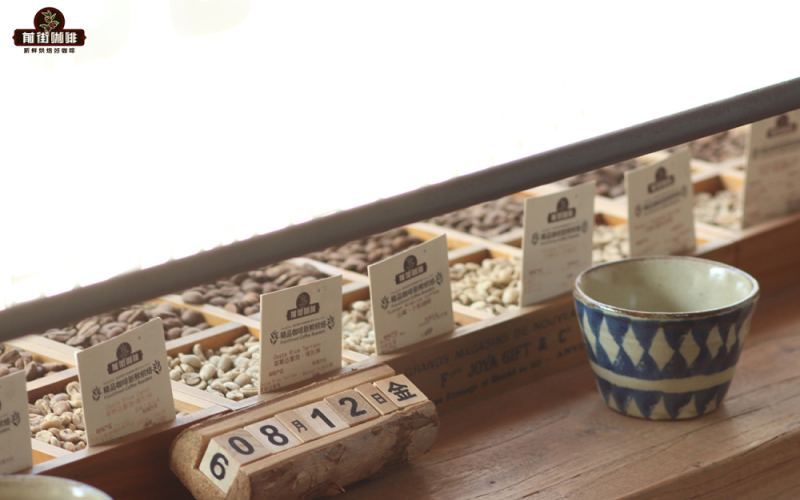
What grind size is standard for cupping? An analysis of how to determine the grind size and water temperature for pour-over black coffee
When you get an unfamiliar single-origin coffee bean, how do you accurately judge its flavor performance? Cupping is the industry-standard method. Front Street Coffee conducts cupping on every coffee bean it acquires, whether or not it goes on the shelves. This article uses the SCA cupping system as its benchmark and provides a detailed introduction to the equipment and parameters required for cupping, including sample bean processing, grind size calibration, coffee-to-water ratio, water quality and temperature requirements, as well as the operating procedures for dry aroma, wet aroma, breaking the crust, and skimming. After cupping is completed, the pour-over grind size and brewing water temperature must also be determined according to the roast level. Light-roast and medium-roast coffee beans each have different standards for sieve pass-through rate and water temperature selection. [more…]
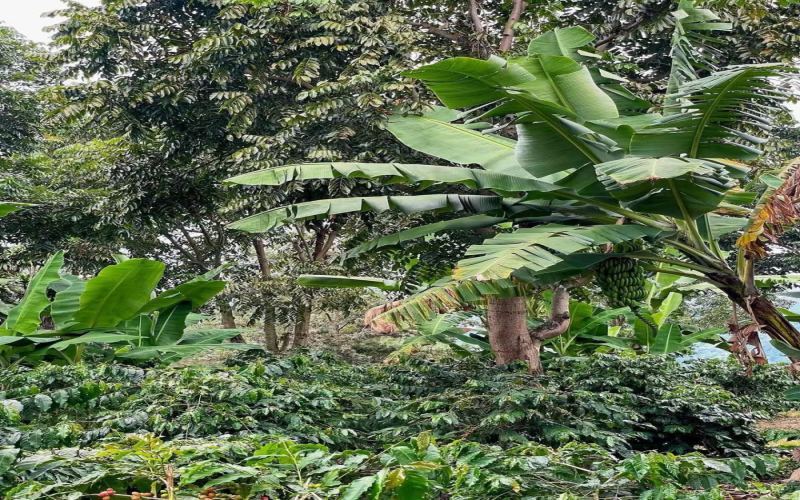
Why Is Jamaican Blue Mountain Coffee Packed in Wooden Barrels? Understanding Blue Mountain No. 1's Grade Standards and Brewing Essentials
Blue Mountain coffee has long been regarded as the benchmark of specialty coffee, and its uniqueness lies not only in its flavor profile but also in its packaging methods and grading system. This article will focus on Jamaican Blue Mountain coffee, explaining why it has long insisted on using wooden barrels for export shipment, sorting out how the washed Typica variety, microclimate, and strict grading system together create Blue Mountain coffee's quality status, and offering a key interpretation of the evaluation standards and specification requirements for the "Blue Mountain No. 1" grade. At the same time, the article will also share Front Street Coffee's specific approach and parameters for roasting and brewing Blue Mountain No. 1, including the extraction principles of the KONO dripper, the coffee-to-water ratio, water temperature, and staged pouring technique, helping readers gain a more comprehensive understanding of this coffee's complete journey from origin to cup. [more…]
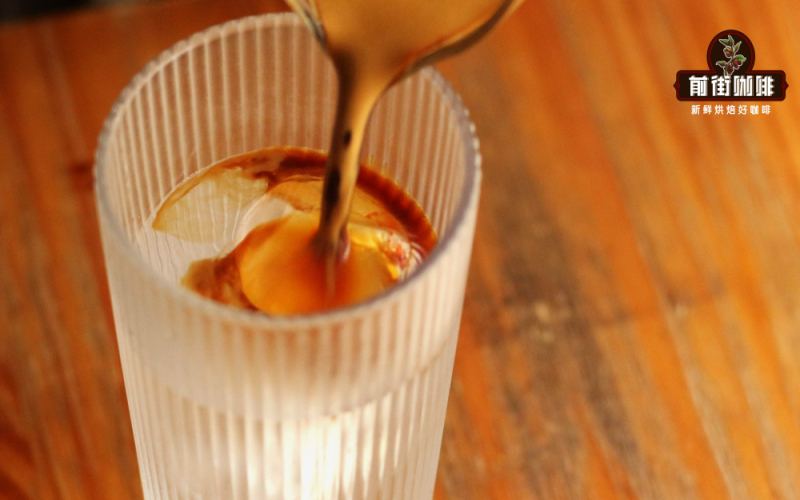
Espresso Extraction Guide: Single vs. Double Shot Differences and Milliliter/Gram Standards Explained
Espresso is the soul base of fancy coffees like lattes, cappuccinos, and mochas, but do you really understand it? How many milliliters does a shot of espresso need to be to qualify as standard? Is the difference between a single and a double shot merely concentration? From the professional perspective of Front Street Coffee, this article systematically sorts out the definition, historical origins, and production process of Espresso, deeply analyzes the differences between single and double espressos in terms of dose, equipment, and extraction method, and provides international technical standards along with Front Street's current extraction scheme. It also extends to the preparation parameters and coffee-to-milk ratio of hot lattes, helping coffee enthusiasts fully master the core knowledge of Italian-style coffee. [more…]
The Origin and Variety Evolution of Yunnan Small-Bean Coffee, and the Proper Brewing Method for Sun-Dried Typica
Yunnan coffee has long since entered the public eye, but with so many growing regions and a bewildering array of brands, which Yunnan coffees are actually worth trying? This article takes a systematic look at the development of Yunnan arabica — from the shifting of varieties and the distribution of growing regions to grading standards and brewing details. You'll learn about the origins of Typica and Catimor, the terroir differences among Yunnan's major growing regions, and Front Street Coffee's cultivation practices in Lincang. The article also shares in detail the brewing parameters and flavor profile of Front Street's sun-dried Typica, helping you brew a balanced, sweet, no-waste cup of Yunnan specialty coffee at home. [more…]
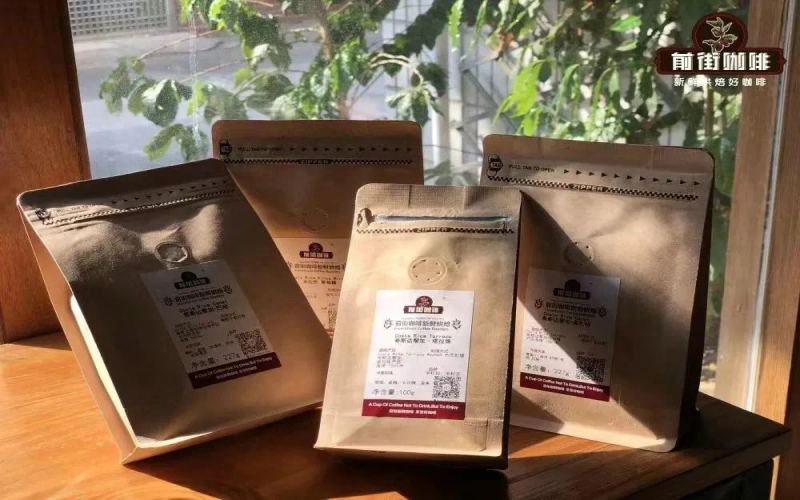
The Flavor Standards and Correct Brewing Methods for Mandheling Coffee: A Complete Analysis from Roasting and Grades to Pour-Over Parameters
What kind of mouthfeel should Mandheling coffee present? Rich nutty, dark chocolate, and caramel-cream-like full body are the classic flavors it should have. This article begins with the reason why Front Street Mandheling is medium-dark roasted, analyzes how the Sumatra wet-hulled process shapes its unique herbal and woody aroma, and why the resulting high defect rate requires deep roasting to mask. It also explains in detail the PWN brand certification and G1 grade classification standards of Golden Mandheling, and addresses a common question among pour-over enthusiasts—why does it come out only bitter and burnt—by giving professional parameter suggestions from Front Street Coffee baristas, including KONO dripper selection, grind size adjustment, 87–88°C water temperature control, and a three-pour technique, to help you brew a cup of full-bodied Mandheling with both caramel sweetness and chocolate-nutty flavors. [more…]
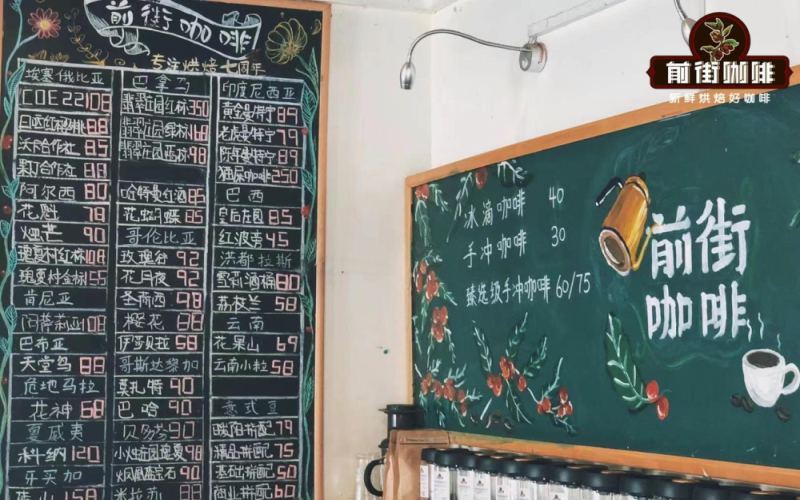
SCA Golden Cup Extraction Standard Explained: How Concentration, Extraction Yield Ranges, and Pour-Over Parameters Affect Flavor
Coffee is a futures commodity with trading volume second only to crude oil worldwide, yet brewing it at home often makes it hard to replicate cafe flavors—the key lies in whether one understands the SCA Golden Cup extraction standards. This article starts from the principles of soluble substances and solid-liquid extraction, explaining the Golden Cup range of TDS concentration 1.15% to 1.35% and extraction yield 18% to 22%, and systematically sorts out the effects of time, grind size, water temperature, and coffee-to-water ratio on flavor. The article also combines Front Street Coffee's brewing comparison using Huakui 5.0 as an example and store parameters to help readers translate abstract standards into operable daily pour-over brewing. [more…]
How to Identify High-Quality Coffee Beans? An Analysis of Specialty Coffee Evaluation Standards and Selection Key Points
In the face of a dazzling array of coffee beans, how can one judge quality? Currently there is no unified international definition of specialty coffee, but the Specialty Coffee Association of America and coffee-producing countries each have their own set of evaluation criteria. The former scores based on dimensions such as dry and wet aroma, acidity, body, aftertaste, flavor, and balance, while the latter focuses on conditions such as variety, altitude, terrain, and processing method. This article systematically sorts out these standards and summarizes the core characteristics of specialty coffee beans in terms of variety, growing environment, harvesting and processing, and grading, storage, and transport, while also explaining the freshness, healthfulness, and flavor performance that specialty coffee beverages should have. At the end, it also recommends Front Street Coffee's espresso blend solutions for different needs, for the reference of coffee enthusiasts and industry professionals. [more…]
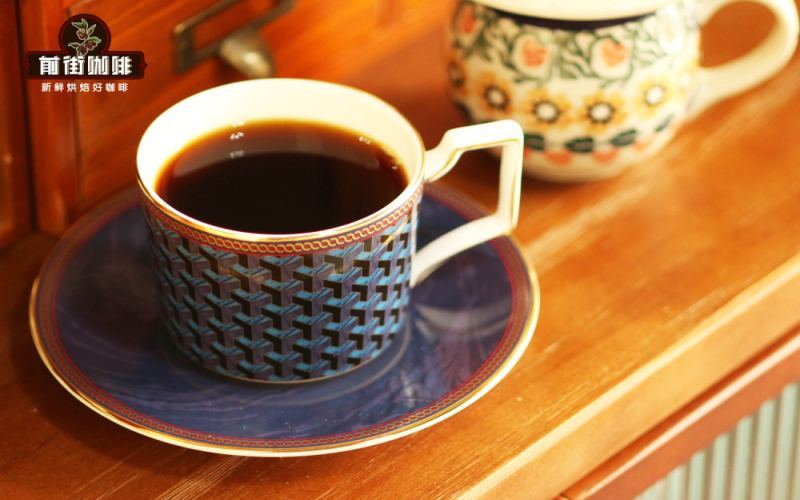
Jamaican Blue Mountain Coffee Grading Standards and Flavor Analysis: A Tasting Guide from Origin Altitude to Front Street Blue Mountain No. 1
Jamaican Blue Mountain coffee has always been the benchmark of the specialty coffee world, and its balanced, rich aroma—with its equilibrium of acidity, sweetness, and bitterness—has made it the beloved favorite of countless coffee enthusiasts. But do you know exactly how Blue Mountain coffee is defined and graded? From the production-area standard of elevations above 910 meters, to the four grade classifications of NO.1, NO.2, NO.3, and PB, and on to the identification of wooden barrel packaging and the Rainforest Water Frog logo, Blue Mountain coffee's quality system is remarkably rigorous. This article will guide you through a comprehensive understanding of Jamaican Blue Mountain coffee's origin and terroir, grading standards, and processing methods, and will also provide an in-depth analysis of Front Street Coffee Jamaican Blue Mountain No.1 coffee's flavor characteristics and brewing parameters, presenting the complete picture of this king of specialty coffee. [more…]